
Why 90% of Market Research Misses What Customers Actually Want
Traditional market research captures what people say they want, not what they actually need. Discover why unstructured online conversations reveal true demand signals.
The Fatal Flaw in Traditional Market Research

Surveys and focus groups have dominated market research for decades, yet they suffer from a critical blindspot: they measure stated preferences rather than revealed behavior. When you ask customers what they want in a controlled setting, you're introducing bias at every level—from how questions are framed to the artificial environment that prompts socially acceptable answers rather than honest frustrations.
Consider the classic example: if Henry Ford had conducted focus groups, customers would have asked for faster horses. This isn't just folklore—it reflects a fundamental truth about customer discovery. People struggle to articulate needs they haven't consciously identified, especially for products that don't yet exist. They optimize their answers based on existing mental models, not future possibilities.
Meanwhile, authentic demand signals hide in plain sight across Reddit threads, product reviews, YouTube comments, and forum discussions. These unstructured conversations capture customers at their most honest—complaining about real problems, requesting specific features, and describing workarounds they've cobbled together. This is where product validation begins: in the messy, unfiltered expressions of unmet needs that traditional research systematically misses.
Why Self-Reported Data Misleads Product Teams

The gap between what customers say and what they actually do creates a graveyard of failed products. Self-reported data suffers from recall bias, social desirability bias, and the hypothetical bias that emerges when people predict their future behavior. Ask someone if they'd pay $50 for a productivity app, and they'll confidently say yes. Track their actual purchasing behavior, and you'll find they've never spent more than $10 on software.
Traditional startup strategy relies heavily on surveys and interviews during the customer discovery phase, but these methods capture aspirational identities rather than genuine pain points. A parent might tell you they want educational toys that promote STEM learning because that sounds responsible. But scroll through parenting subreddits, and you'll find hundreds of threads desperately seeking toys that provide 30 minutes of quiet time—a completely different, more actionable demand signal.
The intensity and frequency of organic complaints provide validation that surveys cannot. When 200+ people independently post about sensory-friendly clothing tags for autistic children over six months, with demand growing 40% quarter-over-quarter, you're observing market demand in its purest form. These patterns emerge without prompting, without leading questions, and without the artificial constraints of structured research. They represent problems urgent enough that people actively seek solutions in public forums.
Finding Genuine Demand Signals in Unstructured Conversations
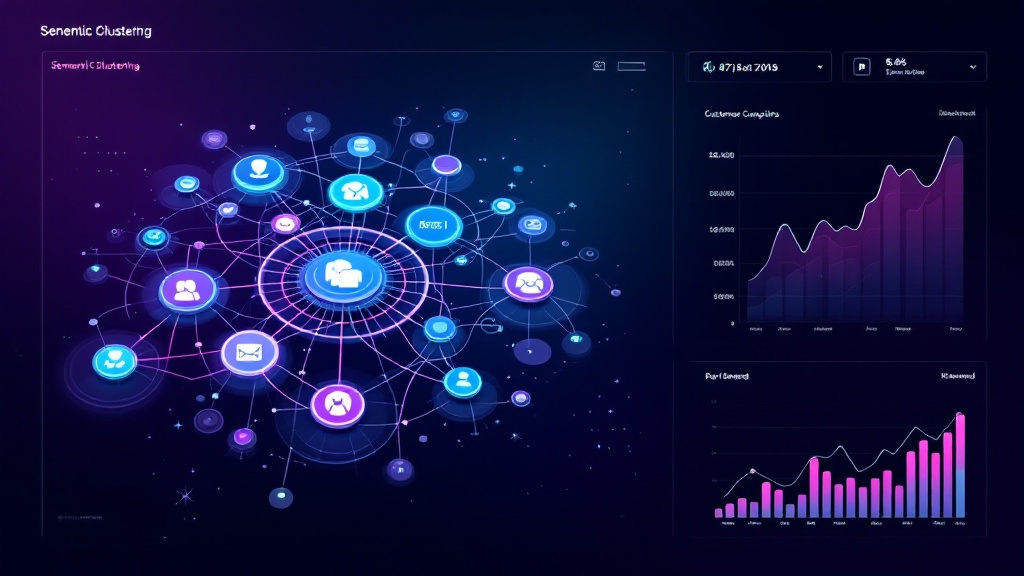
Identifying genuine demand signals requires looking beyond surface-level complaints to patterns that indicate market viability. Authentic unmet needs appear repeatedly across multiple platforms, expressed by different people in varied language but describing the same core frustration. This cross-platform consistency validates that you're observing real demand rather than isolated complaints or vocal minorities.
Semantic clustering technology now makes it possible to group related complaints into coherent themes, even when people use different terminology. One person might complain about "uncomfortable clothing tags," another about "scratchy labels," and a third about "sensory issues with seams." Advanced NLP identifies these as variations of the same unmet need, aggregating scattered demand signals into quantifiable market opportunities that traditional market research would fragment into separate, seemingly minor issues.
The most powerful validation comes from tracking demand intensity over time. Static complaints might represent niche frustrations, but growing trends with increasing frequency and urgency indicate emerging markets before competitors recognize them. When founders and product managers monitor these demand signals systematically—watching for acceleration patterns, geographic clustering, and willingness-to-pay indicators embedded in organic conversations—they gain the competitive intelligence that separates successful product launches from expensive failures. This is market research evolved: replacing what customers say they want with data on what they're actively, repeatedly, desperately seeking.